
What to Expect: Treating Your Wounds With VYJUVEK
Treating your wounds
Taking steps toward 100% closure
No wound is too small or too large to treat.
- Take a look at all of the wound areas on your body to identify the areas you may want to treat
- Consider beginning with the wounds that make the most impact on your daily activities. These can be big or small wounded areas
- Talk with your doctor about what wound area(s) to treat first. They can help you decide what may work best for you
Hear from our Clinical Nurse Educator on what to expect with VYJUVEK

“We’ve mostly been applying the VYJUVEK to my arms because this area hurts me the most, and
we'll focus on my legs next.”
— Fred, living with DDEB
100% healing
When will my wound close?
Talk with your doctor, as the answer to this question depends on which wound areas you are treating. It’s important to track your progress along the way.
Areas of higher friction, like your hands, back, or armpits, and larger wounds may require longer treatment compared to smaller wounds and/or wounds in low-trauma areas that may heal more quickly.
- Make sure you treat each wound area weekly until it is fully closed
- If you have extra VYJUVEK after you have treated your wound areas, you can start applying it to new areas
Remember: Your skin is always renewing itself. The surface is made up of older skin cells, and underneath, new cells are constantly being created. These new cells slowly move up to the surface, and older cells naturally come off. This is called skin turnover.
Because of skin turnover or due to friction or injury, a previously treated wound may reopen. Make sure you treat it during weekly treatment until it closes again.
Tracking progress

How can you track progress?
- Take weekly photos or videos to document changes
- Comparing images makes it easier to spot progress than relying on what you see
- Monitor which wounds have healed, which are still closed, and any areas that may have reopened
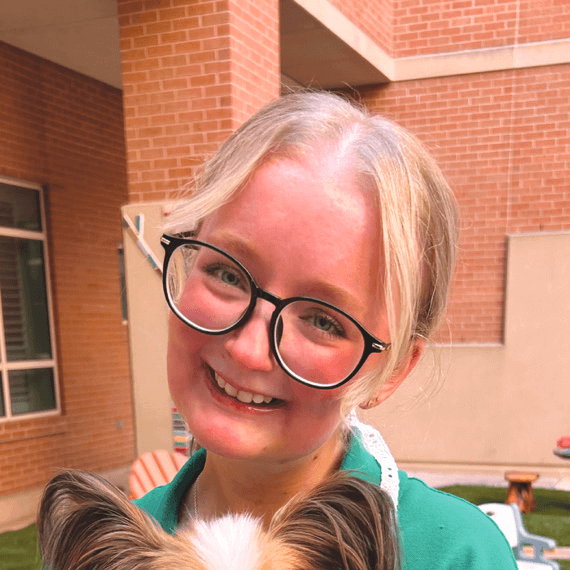
“The wounds treated with VYJUVEK stayed the size they were and got smaller, rather than getting
bigger or reopening like my other wounds always had before.”
— Emily, living with Recessive DEB
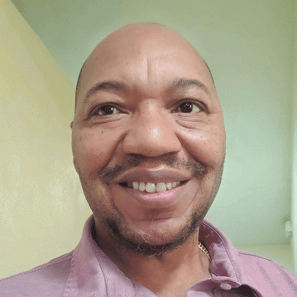
“In some areas, the wounds come back, because they are high-friction areas, like my knees, my
back, anywhere that I would put pressure. But I noticed that when they come back and are
retreated, they heal faster.”
— Willie, living with Dominant DEB
Supportive care
Supportive care for wound healing
VYJUVEK works best when wound care, skin infections, nutrition, anemia, and itch are all properly addressed.

Nutrition
- Nourishment is important for healing wounds
- Increased nutrition is needed with DEB because of inflammation and nutrient loss through blisters

Anemia or Low Iron
- Your healthcare provider should monitor your iron by checking your blood levels every 6-12 months
- Anemia can impair wound healing and cause tiredness, reduced energy, and shortness of breath

Infection
- Check your wound for pus or signs of inflammation, and talk with your doctor about any changes or symptoms (like increased pain). This can help identify a new infection that may need antibacterial treatment

Itching
- Itching is a common symptom, especially as wound areas start to heal
- Prescription medications or over-the-counter antihistamines may be helpful to lessen itching and prevent scratching
- Talk with your doctor if itch is a concern so that a treatment plan can be created for you
Make sure you schedule regular check-ins with your healthcare provider to address these
aspects of supportive care.
What to expect
Applying VYJUVEK
These pages provide helpful tips on preparing, applying, and handling aftercare for VYJUVEK.
Your Patient Access Liaison is always available to answer questions, and additional
support is available through our Clinical Nurse Educators.
INDICATION AND USAGE
VYJUVEK is a topical gel used to treat wounds in adult and pediatric patients (from birth) with dystrophic epidermolysis bullosa (DEB).
IMPORTANT SAFETY INFORMATION
VYJUVEK gel should be applied by a healthcare professional, patient, or caregiver.
After treatment, patients and caregivers should be careful not to touch treated wounds and dressings until the next bandage change. If accidentally exposed to the VYJUVEK gel, clean the affected area.
Wash hands and wear protective gloves when changing wound dressings. Disinfect bandages from the first dressing change with a virucidal agent and dispose of the disinfected bandages in a separate sealed plastic bag in household waste. Dispose of the subsequent used dressings in a sealed plastic bag in household waste.
The most common adverse reactions (>5%) were itching, chills, redness, rash, cough, and runny nose. These are not all the possible side effects with VYJUVEK. Call your healthcare provider for medical advice about side effects. You may report side effects to FDA at 1-800-FDA-1088 or to the Sponsor at 1-844-557-9782.
Please see Important Safety Information above and click here for full Prescribing Information.
IMPORTANT SAFETY INFORMATION
INDICATION AND USAGE
VYJUVEK is a topical gel used to treat wounds in adult and pediatric patients (from birth) with dystrophic epidermolysis bullosa (DEB).
IMPORTANT SAFETY INFORMATION
VYJUVEK gel should be applied by a healthcare professional, patient, or caregiver.
After treatment, patients and caregivers should be careful not to touch treated wounds and dressings until the next bandage change. If accidentally exposed to the VYJUVEK gel, clean the affected area.
Wash hands and wear protective gloves when changing wound dressings. Disinfect bandages from the first dressing change with a virucidal agent and dispose of the disinfected bandages in a separate sealed plastic bag in household waste. Dispose of the subsequent used dressings in a sealed plastic bag in household waste.
The most common adverse reactions (>5%) were itching, chills, redness, rash, cough, and runny nose. These are not all the possible side effects with VYJUVEK. Call your healthcare provider for medical advice about side effects. You may report side effects to FDA at 1-800-FDA-1088 or to the Sponsor at 1-844-557-9782.
Please see Important Safety Information above and click here for full Prescribing Information.
×
You are about to leave the VYJUVEK.com website
Are you sure you want to leave?